The Biggest Surprise About Food After Moving To Italy
Victoria Ambruso
7/21/20262 min read
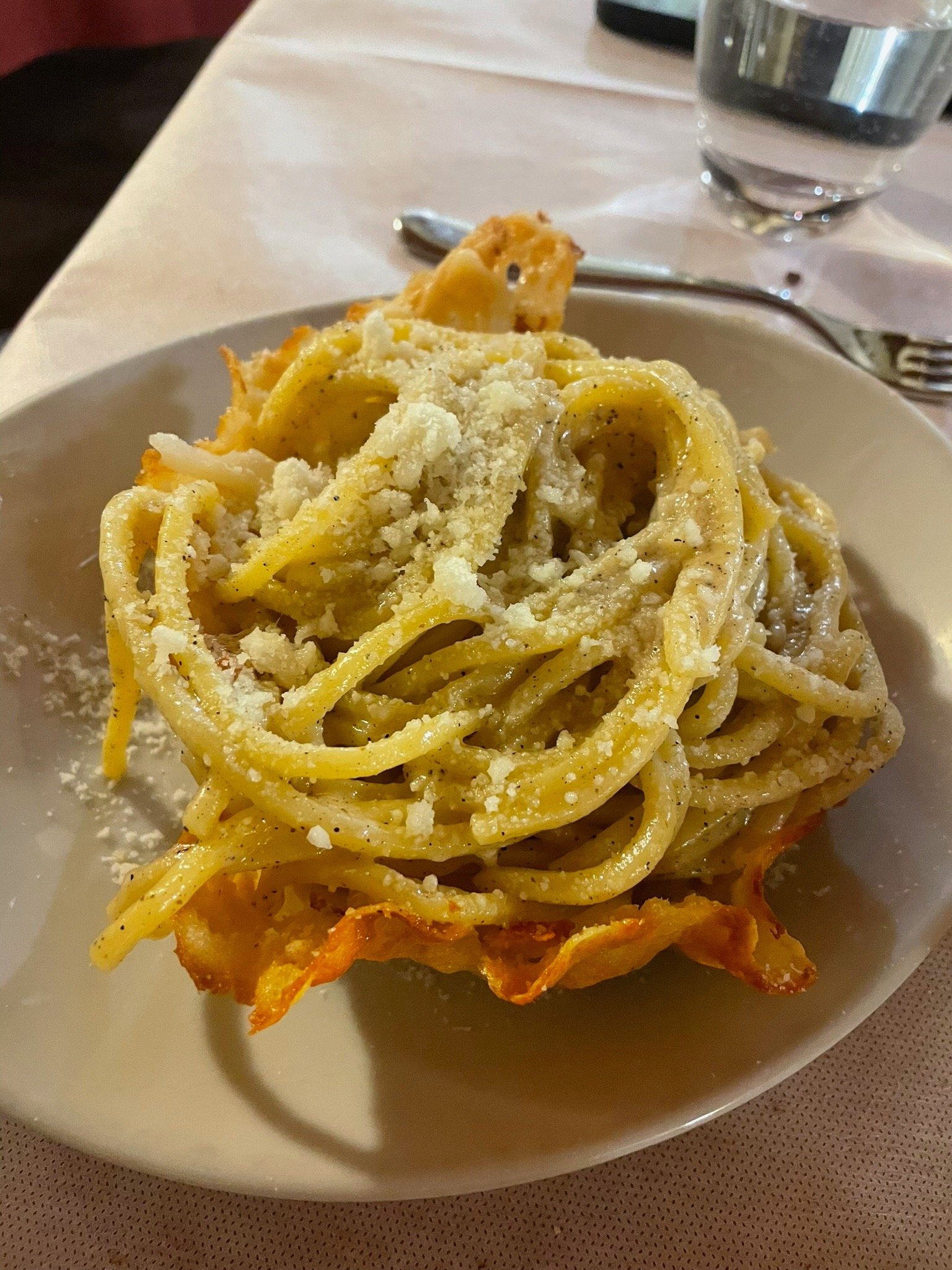
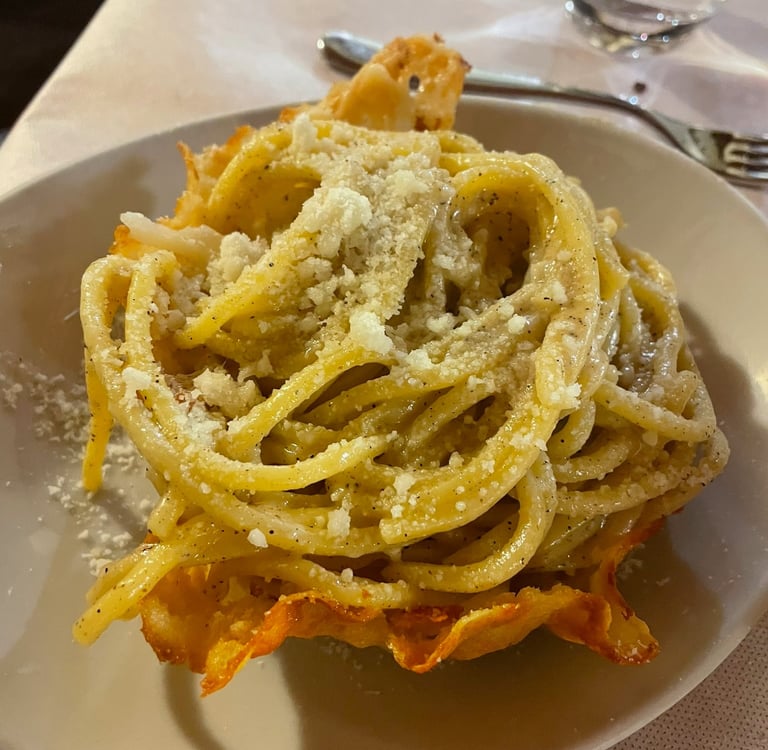
Complete confusion took over the classroom when I said, “There is no “Italian food;” rather, what we think of as Italian food is a mosaic that completes a picture.” This is a sentence I told repeatedly to my many students at Florida State University studying food culture in Florence, Italy, with me as their professor. They'd flown thousands of miles expecting an “easy A” and a semester filled with pasta and gelato. Instead, I spent the first week dismantling many of the assumptions they had about Italian cuisine. And while I could name far more “surprising” things about Italian food– not so saucy people, no chicken in pasta (a big one for most Americans), pasta for lunch, salad only dressed with olive oil and lemon– this is probably the most helpful when trying to understand Italian food. Something that took me years of living in Italy to fully understand.
An important thing to understand about Italy is that it is historically very fractured, and this bleeds into all aspects of life: language, music, and naturally, food. Italy’s geography is long and differs greatly from North to South. This gives great biodiversity and the ability to find and grow many different varieties of plants, herbs, animals…everything. Just a train ride through the country, and you’ll notice fats change from butter to olive oil, mountains give way to plains, rugged sea cliffs change to vast country hills, and plates filled with pasta turn to rice. Menus in neighboring trattorie may have plenty in common, but travel a town or two over, and you'll start seeing entirely different specialties. Without understanding this, people tend to go with what they know. For example, I’ve heard from some people (even one is far too many) that they weren’t that impressed with real Italian food while traveling in Italy. So then I ask, “Well, what did you eat? And where?” and they’ll respond, “Oh, I had carbonara in Bologna and lasagna in Rome. It really wasn’t that good.” Of course it wasn’t that good! You ate the right things that you were familiar with, but not the dishes for that setting.
What is the lesson here? Let the destination guide your culinary journey. Look into what the local traditional dishes are and pick them. Don’t only pick dishes that you know (or even worse, out of season). My best advice? Ask your waiter about the traditional dishes of the area and be open to trying something new. In my experience, Italians love to tell you what to eat (or even just what to do in general). Even better: if you are in a group, have one person get a “safe” dish that you know you will like, and others get something more adventurous. By being open to more than just carbonara and lasagna, I think this will help you also get a better understanding of the culture around you. All of this being said, please get lasagna in Bologna and carbonara in Rome - you won’t regret it.